60-Second Tension-Melting Tool (It Supports Digestion Too!)

“Tension is who you think you should be. Relaxation is who you are.”
—Chinese Proverb
Many of us think we can only relax on a yoga mat, in a calm room with candles and soothing music, or while on retreat—only to tense back up the moment we turn our phone on, check the news, step into the “real world,” or spend time with family.
While they are nice to have, we don’t need to plan a vacation, find the perfect incense, or buy anything to relax.
In fact, relaxing is not about our circumstances. This is good news, especially at the conclusion of a long holiday weekend and on the eve of the next bustling (and typically stressful) holiday month ahead.
What we’re really practicing when we relax is building a supportive relationship with ourselves, and our experience, no matter what it is and where we are. Rather than trying to take away challenging circumstances, we are changing our inner conditions to work with whatever is present.
❄️ I write about this using the metaphor of a snow globe in my upcoming new book, The Power of the Pause.
Imagine shaking the globe and seeing all the glittery snowflakes swirl around; imagine that all that glitter represents everything going on in your life—the good and the bad. Often, when we think of relaxation, we think of it as possible only when the swirling snow has finally subsided.
The truth is, even when the snowflakes settle, we know it won’t last for long. Perfect conditions don’t exist, and before we know it, another swirling storm will emerge again.
Relaxing—or releasing our tension—is more an act of creating space for what is there, not trying to make it go away. We are learning that we can be with the swirling without always needing to wait for the snow to settle completely and without needing perfect conditions. We do this by practicing relaxing with whatever swirls are happening in the present moment.
❄️ If you are feeling the grip of stress or anxiety in your body, I encourage you to try this 60-second tension-melting tool.
You can do it standing up or lying down, and repeat it as often as you’d like. You’ll create space to be with the swirling storms, without adding more tension to the situation. Bonus: This practice can perk up a sluggish digestive track, which might be helpful after a weekend of tasty leftovers.

NEW WORKSHOP SERIES — WITH CECs!
START TODAY!
Autumn Attunement
Vagus Nerve Reset Through the Chakras

Mark the turning of the seasons with a full-body, full-spectrum reset.
This autumn, join me for a deeply restorative and enlivening journey through the chakra system, exploring its connection to the vagus nerve—the body’s main pathway for rest, repair, and resilience.
Each week we’ll focus on a different chakra, combining sound mantra, intentional movement, breath awareness, somatic exercises, and deep relaxation to harmonize energy flow and support your nervous system.
You’ll also experience gentle vagus nerve tuning practices designed to cultivate a sense of safety, groundedness, and emotional balance. Alongside the experiential work, we’ll explore how each chakra relates to specific nerve plexuses and endocrine glands, and how the vagus nerve interacts with the chakra system to influence both physical vitality and emotional well-being.
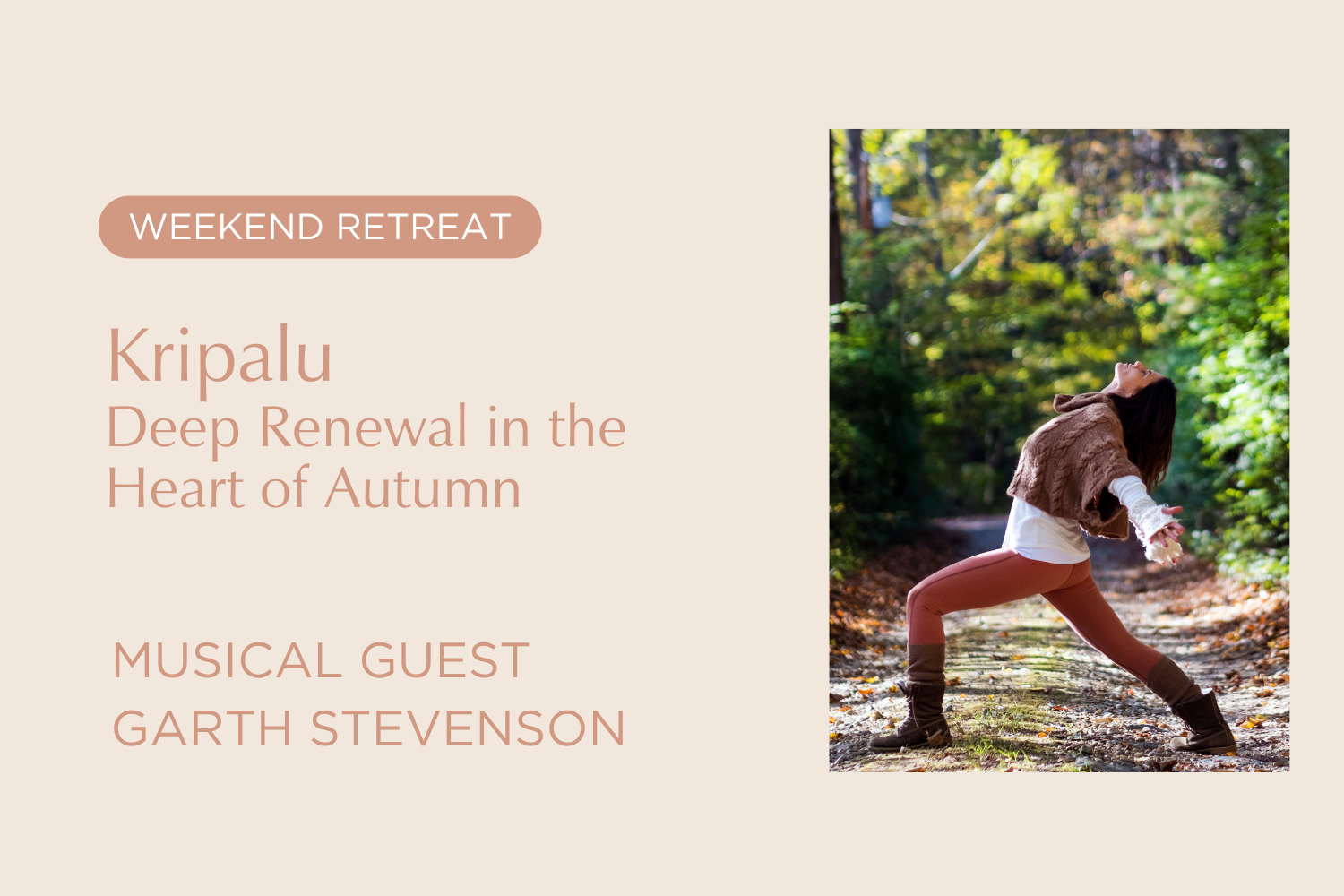
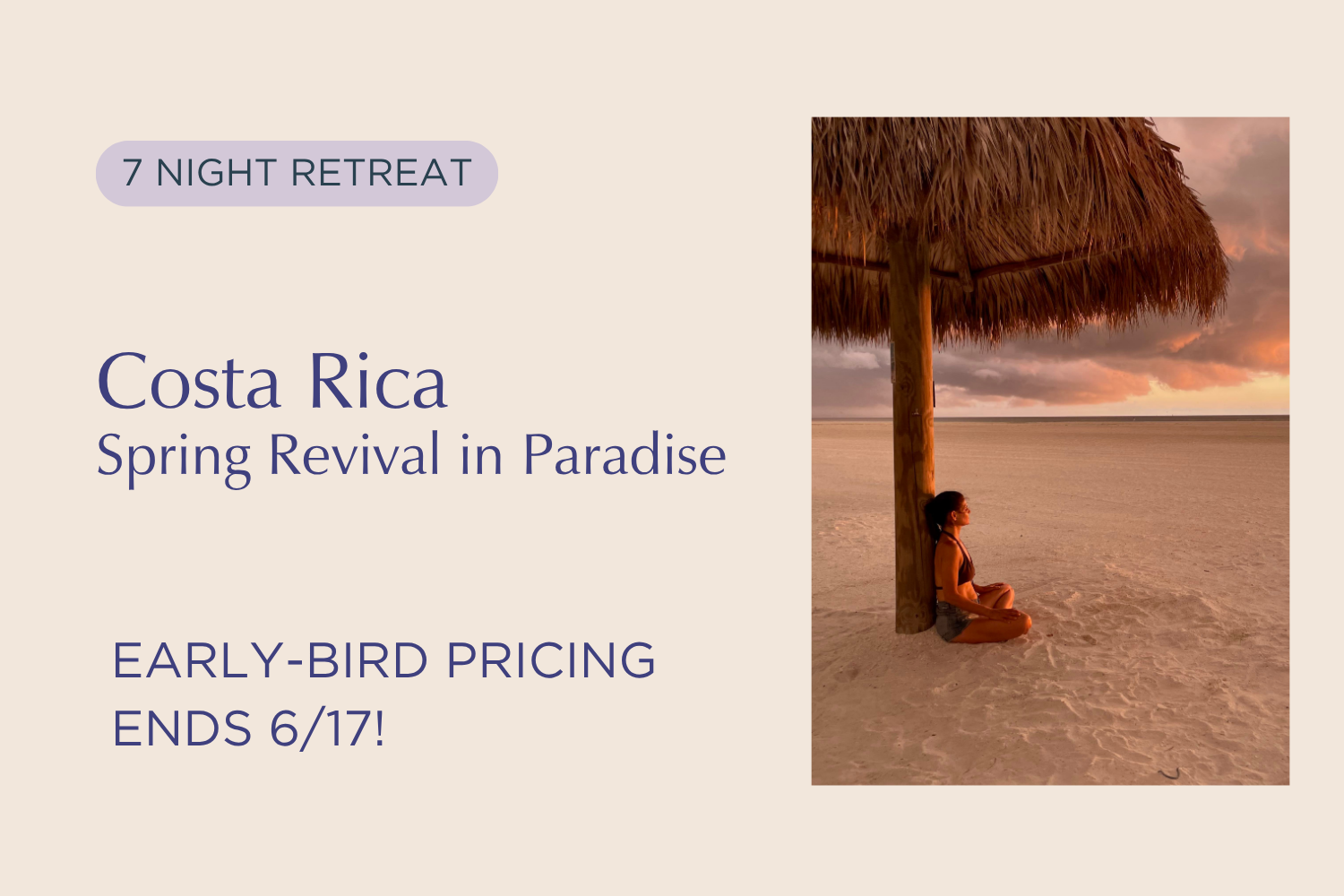
Join mindfulness expert and restorative yoga teacher Jillian Pransky at Omega Institute in Rhinebeck, NY, this fall to pause during this in-between time, to recalibrate, and open up again to the flow of life. Enjoy time in nature and in community.