’Tis the Season for Conflict—4 Questions to Transform the Moment ❄️

The festivities of the season create opportunities to catch up with family and friends… and while they can be fun and fulfilling, they can also foster a fair share of conflict.
Now, while deeply uncomfortable, disagreements are a natural part of our lives. On top of that, because we’re living in a dramatically divided world, I devoted an entire chapter to the topic in my upcoming book, The Power of the Pause.
After extensive interviews and research, and drawing on my personal experiences, it was clear:
What truly matters is how we choose to engage with and respond to conflict and disagreements. Our choice can create change, in a single conversation.
However, we often decide in advance how things will go (oh, he’ll definitely bring up politics to spoil the vibe), or assume we know how another person is feeling (she only thinks about herself) or what they’ll do (he’s just going to complain again).
Here’s the thing: These assumptions can actually keep us stuck in toxic behaviors or relationship dynamics. When we remind ourselves that we have space to change, we often begin to see that there might be more going on than we think.
Further, if we’re trying to get someone to “agree” with us, we’re coming at things with a fixed mindset: We are right and they are wrong. In my book, I discuss this with psychologist and author Dr. Gail Parker, who told me that the search for agreement can often lead to arguments because it invalidates the other person’s perspective. It can be helpful to remember that leading with curiosity rather than certainty—in other words, sincerely seeking understanding—opens a space that dissolves the barriers that lead to discord and harm and allows us to get to know one another. In this scenario, we may connect rather than shut down.
Undoubtedly, we don’t always have to agree! There is room for standing firmly for what we believe in.
But if we are going to help create new ways of being on this planet together, we have to be able to make room for each other. We need to be creative and flexible to bring about change in our lives, our communities, and the world.
Profound change can begin with a simple Pause.
Pausing with the intention to prioritize Listening before speaking helps us regulate our nervous system, but we are also less likely to activate someone else’s stress response. Pausing also creates space for us to calm ourselves, so we can expand our understanding of the situation, setting us up for collaboration or cooperation rather than conflict.
There’s a scientific basis for this. When we Listen to someone in a way that leaves them feeling heard, it lights up the part of their brain that leaves them feeling loved. When we offer someone our empathy, it leaves them feeling felt, creating a sense of connection between us.
When we feel safe in a connection, it enables us to further receive empathy and have empathy for others—which creates more peace on the planet.
PAUSE NOW
4 Questions to Transform Conflict Into Empathy
In my book, I share several practices to help you pause to Listen in the midst of conflict… and I recommend starting here with 4 reflection questions that can form the foundation for a Pause in action:
Can we create space to listen to each other with our differences?
Can we create space for communication and connection for its own sake rather than for someone to be right and another to be wrong?
How can we learn to understand each other rather than agree?
How can we treat each other (and ourselves) better while learning to better understand each other and our different perspectives?
May our discomfort be a doorway.


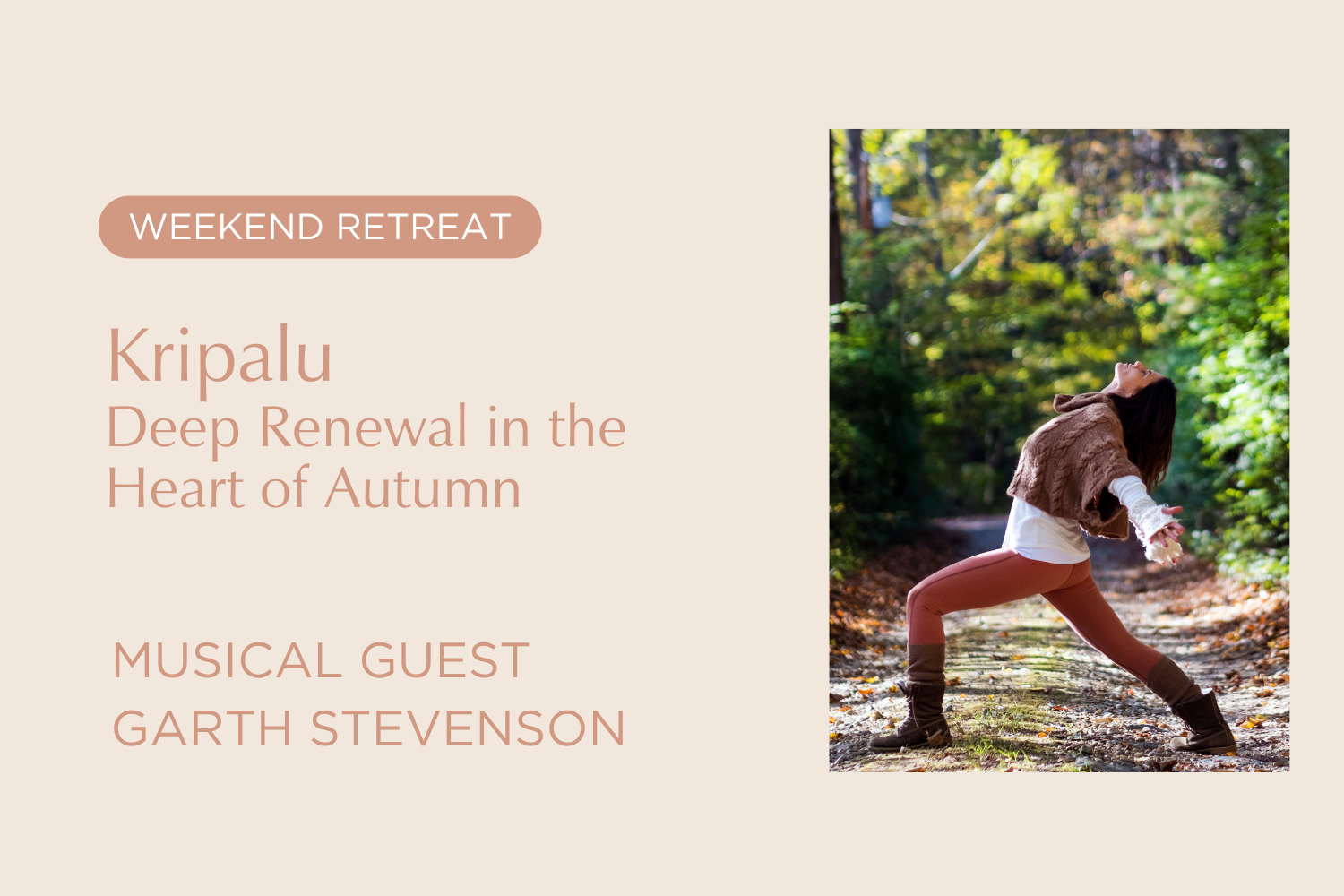

Join mindfulness expert and restorative yoga teacher Jillian Pransky at Omega Institute in Rhinebeck, NY, this fall to pause during this in-between time, to recalibrate, and open up again to the flow of life. Enjoy time in nature and in community.